Is a Website Redesign Vital for Your Business in 2026?

New year. Fresh calendar. Big ideas.
And suddenly your website is looking at you like it knows it’s about to be blamed for everything that didn’t quite go to plan last year.
If you’ve opened January thinking, “I need a new website”, pause. Take a sip of whatever you’re drinking. Breathe.
Because this is the first blog post of the year, and I’m going to say this upfront:
you do not need to rush into a redesign just because the calendar flipped.
What you do need is clarity.
A quick January reality check
January has a habit of creating urgency where none actually exists. Overnight, everything feels outdated, underperforming or suddenly not “good enough”.
Your website included.
But redesigning without understanding the real issue is how people end up with:
a prettier site that still doesn’t convert
better fonts but the same confusing messaging
a shiny new homepage and the exact same frustration
A redesign should be a strategic decision, not a knee-jerk reaction to a new year.
So before you start browsing templates or bookmarking colour palettes, let’s work out what your website actually needs.
Most redesigns start in the wrong place
Here’s what usually happens.
Someone feels disconnected from their website.
They assume the design is the problem.
They jump straight into changing how it looks.
But more often than not, the issue is not the design. It’s clarity.
Clarity around:
what you offer
who it’s for
how your business has evolved
what you want your website to do this year
Design supports strategy. It doesn’t replace it.
And if you skip the thinking part, you risk rebuilding the wrong thing beautifully.
Step one: work out what is working
Before you list everything you hate about your website, start here.
Ask yourself:
Are people finding it?
Are enquiries coming through?
Are certain pages performing better than others?
Do people understand what you do once they land?
Not everything needs ripping out.
In fact, most websites have solid foundations that just need refining. Recognising what works saves you time, money and unnecessary drama later.
This step is about being fair, not critical.
Step two: identify what feels out of alignment
This is where honesty comes in.
Your website might technically “work”, but does it still feel like you?
Things to look at:
Does the copy reflect the confidence you have now?
Are your offers still accurate?
Does the structure make sense for how you actually work?
Does the site feel like your business today, not a past version of you?
Misalignment is often subtle. It shows up as hesitation when you share your link or that quiet feeling of “this isn’t quite it anymore”.
That’s useful information. Pay attention to it.
Step three: look at your business, not just the website
Your website doesn’t exist in a vacuum. It supports the business you’re running.
So zoom out.
Ask yourself:
How has my business changed in the last year?
Am I offering the same things?
Have my priorities shifted?
Am I targeting the same type of client?
If your business has evolved but your website hasn’t, that gap will show. Not because the site is “bad”, but because it’s out of sync.
Your website should grow as you do.
Step four: decide what level of change you actually need
Here’s the bit most people skip.
Not every website needs a full redesign. Some need:
clearer messaging
stronger calls to action
better structure
a visual refresh
a few strategic tweaks
Others genuinely need a deeper overhaul.
The key is knowing the difference.
Ask yourself:
Am I confused by my site, or just bored of it?
Is the issue cosmetic or structural?
Could clarity fixes solve most of this?
This is exactly the kind of thinking we’ll build on later this month when we talk about choosing between DIY, templates and custom design. Different stages need different solutions.
Step five: make a plan, not a panic move
Once you know what’s working, what’s misaligned and what level of change you need, then you plan.
That might look like:
setting aside time for strategic edits
investing in education or a course
upgrading a template
booking in professional support for later in the year
What it doesn’t need to look like is making rushed decisions because January told you to “start fresh”.
A calm plan beats a reactive redesign every time.
How this fits into the bigger picture
This post is the foundation for what’s coming next.
Over the next few weeks, we’ll be diving into:
how to choose the right website approach for your stage of business
honest experiences with Squarespace education and tools
my recommended Squarespace templates for small businesses
how to invest in your website without overwhelm
This is about building confidence, not pressure.
A gentle invitation
If reading this has made you realise your website needs more than a quick tweak, or you’d rather have someone help you untangle what’s actually going on, that’s where I come in.
I work with business owners who want clarity first and design second.
No rushing. No overcomplicating. No redesigns for the sake of it.
If that sounds like your vibe, you’re very welcome to explore working together when the time feels right.
One last thing, because it’s January
You do not need to have everything figured out on day one of the year.
You just need to ask better questions before you make decisions.
This is how strong websites, and strong businesses, are built.
---------
Hey there! I'm Amy - I design bold, strategic Squarespace websites for brilliant women who are ready to stop hiding behind a DIY site and start showing up online with confidence, clarity and a whole lot of personality.
This is where sexy meets strategy. It is web design with heart, purpose and a sprinkle of oomph… because your business deserves to shine. Come and say hello :)
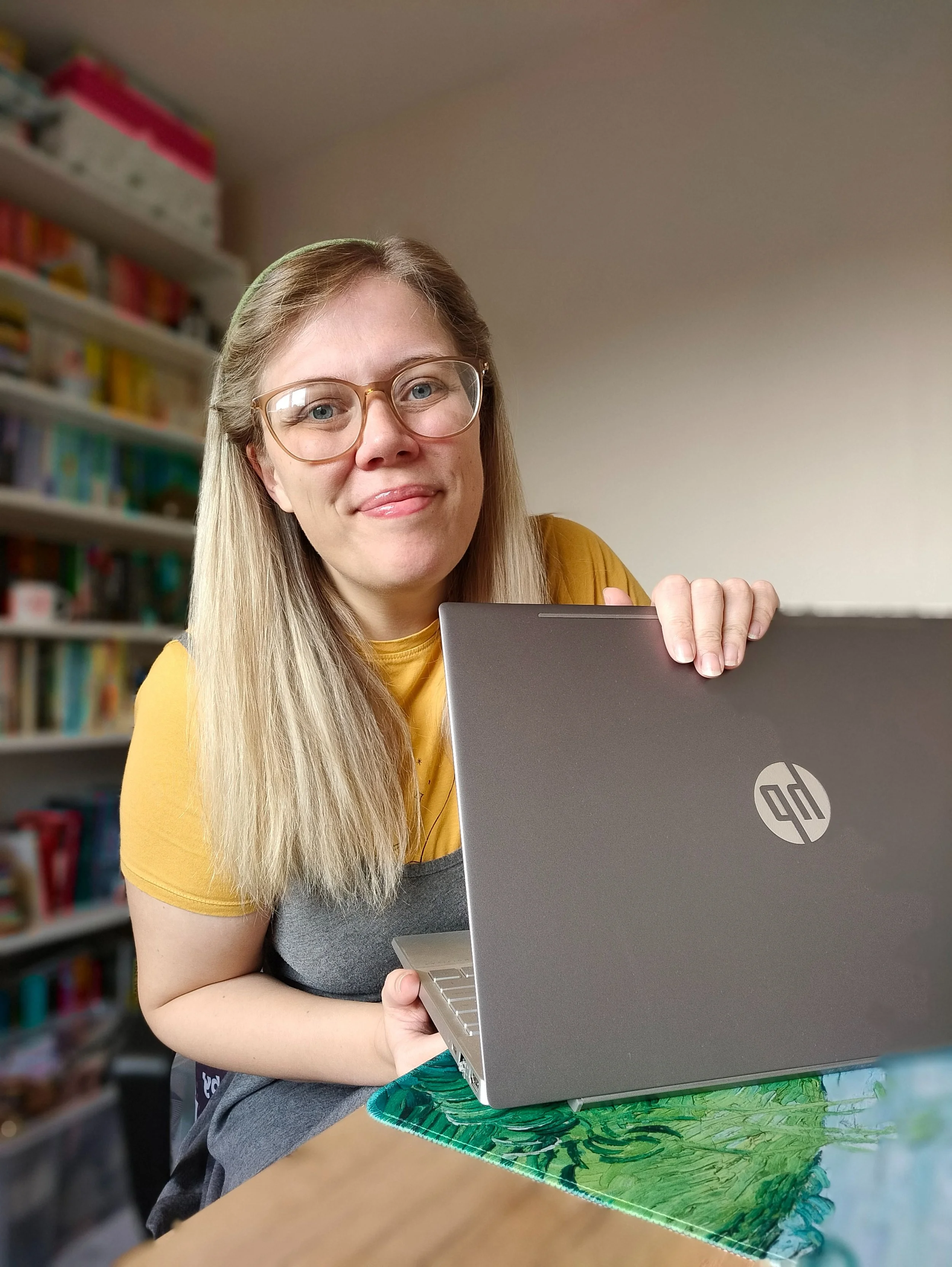
Hey - I’m Amy! Designer, book lover & crochet addict - helping women-led brands bloom online.
Join the List
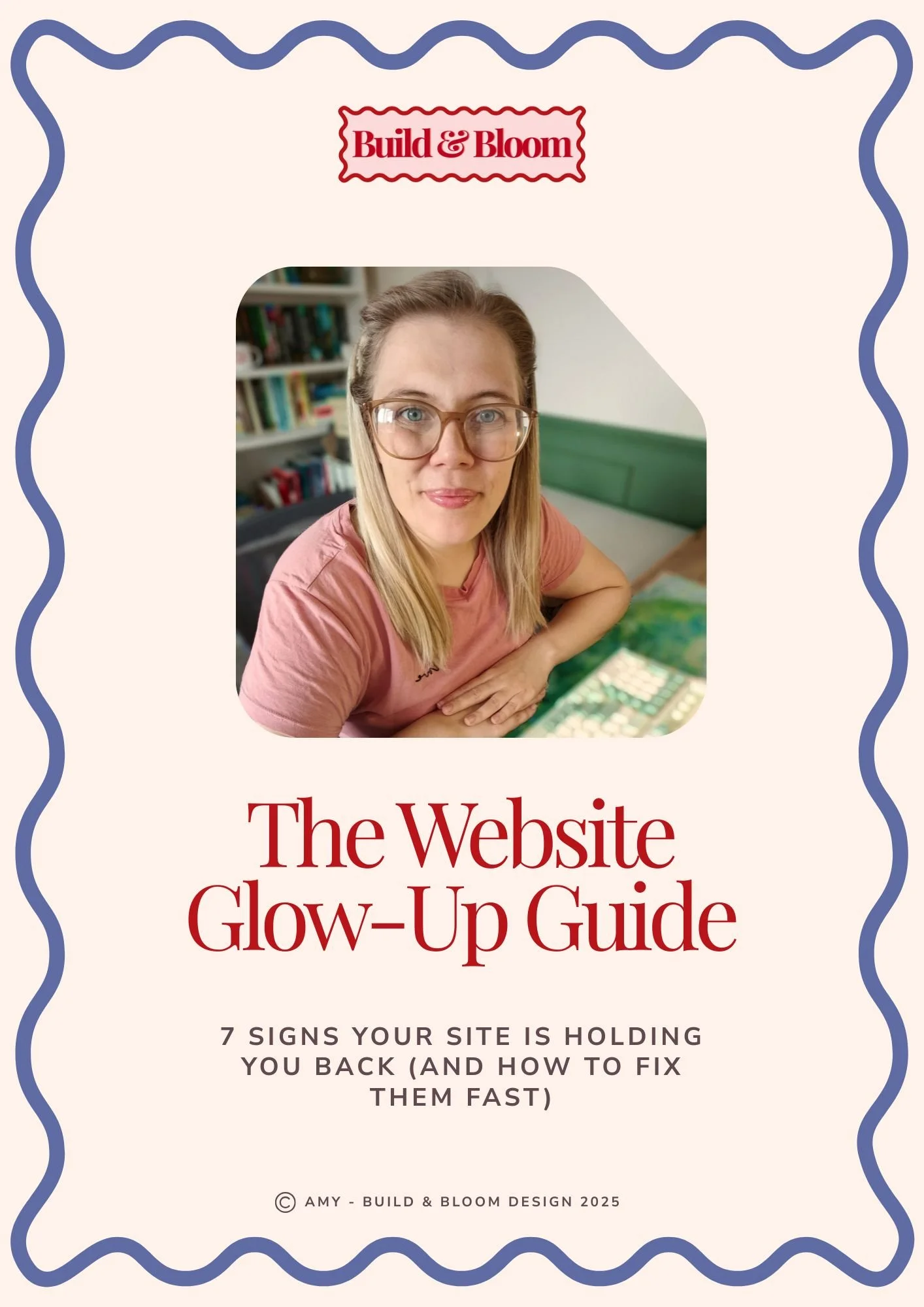
Grab your free copy of The Website Glow-up Guide!

Head over and explore the Aster template! Full demo site available.